
Your Ultimate Spring Guide to Yosemite National Park in 2026
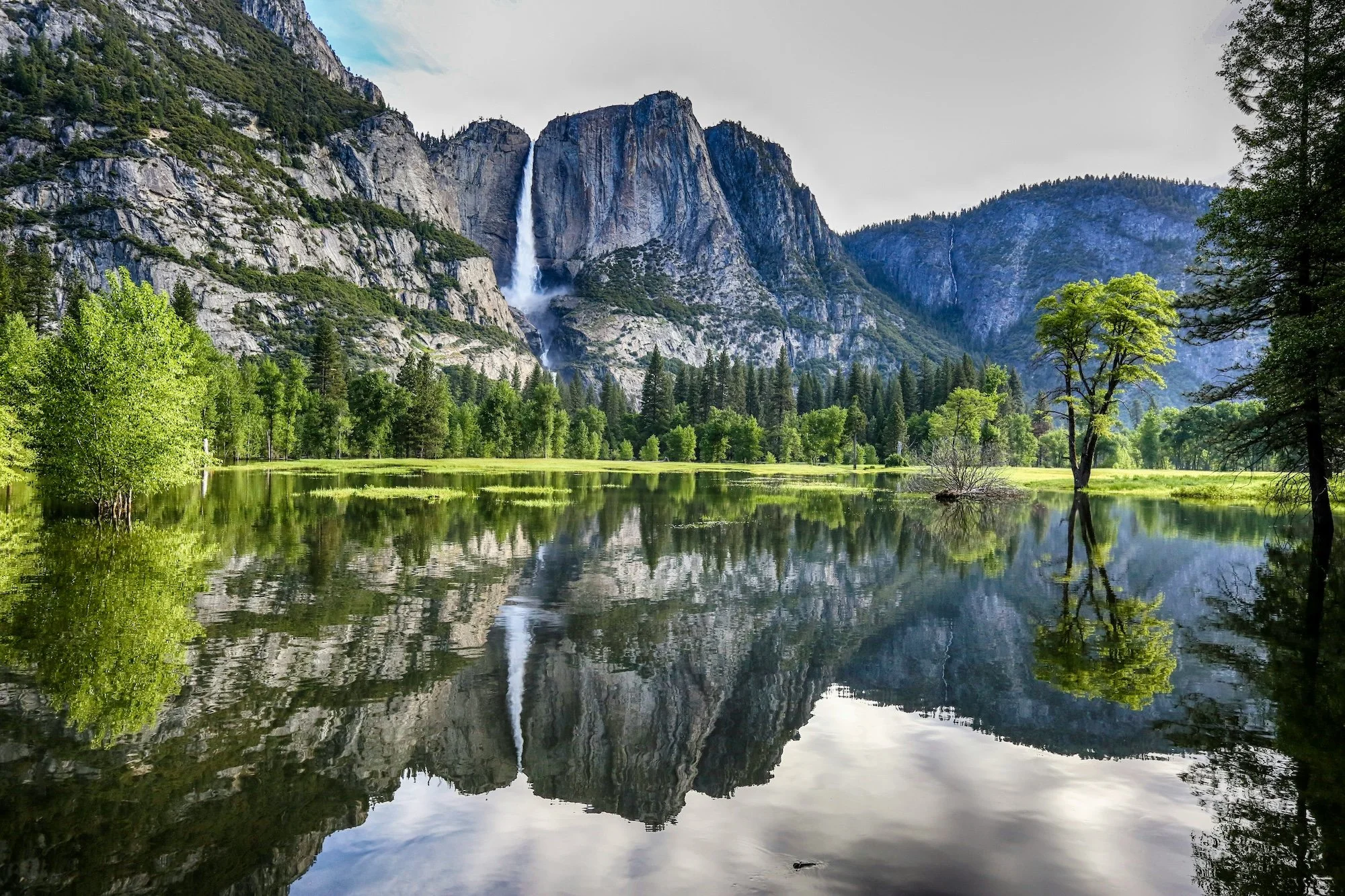
Spring is arguably the most magical time to visit Yosemite National Park — and 2026 makes it even better. After several years of frustrating timed-entry reservation systems, the National Park Service has dropped the requirement entirely for 2026. That means you can simply show up, pay your entry fee, and explore one of America’s greatest natural wonders without worrying about a reservation window or a lottery. No scrambling for a pass at 7 a.m., no booking site crashes, no backup plans.
If you’ve been putting off a Yosemite trip because the logistics felt overwhelming, this is your year. Here’s everything you need to know to plan a stunning spring visit.
Why Spring in Yosemite Is Absolutely Worth It
Let’s be real — summer gets all the hype, but spring is when Yosemite truly puts on a show. The snowmelt from the Sierra Nevada mountains turns Yosemite’s iconic waterfalls into thundering curtains of white water. Bridalveil Fall roars with full force. Yosemite Falls — the tallest in North America — is at peak flow, sending mist drifting across the valley floor. And Upper Yosemite Fall, which practically disappears by August, is absolutely raging.
At the same time, the valley meadows come alive with wildflowers. In April and May, Hetch Hetchy erupts in blooms — blue brodaea, shooting stars, and baby blue eyes carpet the hillsides. And unlike summer, you’ll share all of this with roughly 40 to 60 percent fewer visitors than peak season. That translates to shorter lines, easier parking, and more moments of genuine quiet in one of the busiest national parks in the country.
Spring temperatures in the valley are mild and pleasant — highs in the 60s°F during April, climbing into the 70s°F by late May — with cool mornings that make hiking a joy rather than a sweaty endurance test. Just come prepared for occasional rain and pack layers, as spring weather in the Sierra can shift quickly.
No Timed Entry in 2026 — Here’s What That Means for You
For several years, visiting Yosemite Valley required advance reservations during peak hours. Starting in 2026, that system has been suspended. You’ll still need a valid park pass — your options are the standard Yosemite vehicle pass ($35), an America the Beautiful Annual Pass ($80, valid at all federal lands for a full year), or a Yosemite Annual Pass ($70). All of these can be purchased at any of the park’s five entrance stations.
Pro tip: Purchase your America the Beautiful Pass before you go. If you plan to visit two or more national parks or federal recreation areas in a year, it pays for itself immediately. It also makes a great gift for outdoorsy families.
Parking inside the valley can still fill up on busy spring weekends — especially on Saturday and Sunday mornings. Plan to arrive before 8 a.m. if you’re targeting popular trailheads like Mirror Lake, Valley View, or the base of Yosemite Falls. Alternatively, Yosemite’s free valley shuttle system runs regularly and connects all major viewpoints, making it easy to park once and explore on foot.
Top Hikes for a Spring Visit
Yosemite has trails for every fitness level, and spring opens up options that summer crowds can make miserable. Here are our top picks:
Mirror Lake Loop (Easy, 5 miles round trip): This flat, family-friendly path wraps around a seasonal lake that perfectly reflects the granite walls of Half Dome. In spring, the water level is high and the reflections are stunning. Watch for wildlife — deer are frequently spotted in this area at dawn and dusk.
Lower Yosemite Fall Trail (Easy, 1 mile round trip): This short paved loop takes you to the base of Lower Yosemite Fall, where you’ll feel the mist on your face and hear the roar long before you see the water. It’s accessible for strollers and wheelchair users. If you’re traveling with little ones, this is the one.
Valley Floor Loop (Easy-Moderate, 13 miles): For a longer day, this route circumnavigates the valley floor and passes through meadows, pine forests, and alongside the Merced River. Take it in sections or go all the way — either way, it’s the best way to see the entire valley at a leisurely pace.
Vernal Fall via the Mist Trail (Moderate, 3 miles round trip to bridge): This is the trail most Yosemite visitors dream about. The climb to Vernal Fall bridge rewards you with views of the thundering 317-foot waterfall framed by polished granite walls — and spring is the only time the trail lives up to its name. Wear waterproof layers if you go to the top; the mist is real and soaking. The full trail to Nevada Fall is 5.4 miles round trip and significantly more strenuous.
Glacier Point Road (driving viewpoint): Glacier Point Road typically opens in late May or early June (check current conditions at nps.gov), giving access to Glacier Point’s jaw-dropping panoramic view of the valley, Half Dome, and the high country.
Planning a Family Trip? Here’s What to Know
Yosemite is one of the most family-friendly national parks in the country, but traveling with young kids requires a bit more prep. A few things that make a big difference:
Baby and toddler gear: Packing bulky items like pack-n-plays, high chairs, or bike seats for a road trip or flight can be a serious headache. Services like BabyQuip let you rent clean, quality baby gear delivered directly to your vacation rental near Yosemite — car seats, cribs, strollers, high chairs, and more. It’s a game-changer for families traveling light who don’t want to sacrifice comfort or safety.
Junior Ranger Program: Kids ages 3 and up can pick up a Junior Ranger booklet at any visitor center. Complete the activities, attend a ranger program, and your child earns an official Junior Ranger badge. It keeps kids engaged and learning the whole trip.
Stay in or near the park: Lodging inside the park (Yosemite Valley Lodge, The Ahwahnee, Curry Village) books up extremely fast — sometimes a year in advance. Charming vacation rentals in the gateway towns of El Portal, Groveland, Mariposa, and Oakhurst give you flexibility and more space, especially for families. Bonus: a well-stocked vacation rental with a full kitchen is a huge money-saver when you’re feeding a family.
What to Pack for a Spring Yosemite Trip
Spring weather in Yosemite can go from sunny and 68°F to rainy and 45°F within the same afternoon. Here’s what belongs in your bag:
Waterproof layers: A packable rain jacket is non-negotiable on the Mist Trail. Waterproof hiking boots or trail runners are also a smart call.
Layers for everyone: Mornings are chilly. Pack fleece or a light insulating layer for the whole family.
Sun protection: The high elevation means stronger UV rays even on overcast days. Sunscreen, sunglasses, and a hat are must-haves.
Reusable water bottles: Stay hydrated — altitude can sneak up on you. Potable water is available throughout the valley.
Bear canister or bear box: You don’t need one for day hikes, but if you’re camping, all food must be stored in a bear canister. Yosemite takes this seriously, and so do the bears.
Binoculars: Wildlife spotting in spring is incredible — black bears emerging from winter, mule deer in the meadows, coyotes trotting along the valley floor at dusk.
When to Go (Timing Your Spring Visit)
The spring window at Yosemite runs roughly from late March through early June, but the best timing depends on what you’re after:
Late March–April: Waterfalls are at or near peak. Valley floor wildflowers begin. Fewer crowds. Some higher-elevation roads and trails still closed by snow.
May: Wildflower season peaks in Hetch Hetchy and the valley. Waterfalls still strong. Weather is increasingly reliable. The park starts getting busier on weekends.
Early June: Glacier Point Road typically opens. The high country begins to emerge. Best time for combining valley visits with some higher-elevation exploration.
If you can swing a weekday visit — even just Thursday through Sunday — you’ll avoid the weekend rush and find parking and trailheads significantly less crowded.
Ready to Start Planning?
Yosemite in spring 2026 is a rare opportunity to experience one of the world’s most beautiful places at its most spectacular — without the reservation headaches that have kept many people away in recent years. Whether you’re planning a romantic weekend for two, a multi-day family adventure, or a solo hiking escape, the valley is ready to deliver.
Start by locking in your accommodations early — especially if you’re eyeing anything inside the park boundaries. Explore the gateway towns for vacation rental options that give you more space, more flexibility, and a home base worth coming back to after a long day on the trail.
Have you been to Yosemite in spring? Share your favorite hidden spot in the comments — we’d love to know where you’re headed. And if you’re still in the planning stages, save this guide and share it with whoever you’re dragging along on this adventure. They’ll thank you later.
Looking for the perfect place to stay near Yosemite? Explore our curated collection of pet-friendly vacation rentals at rentliveplay.com — properties designed for travelers who want to live well, not just pass through.
