
How to Boost Airbnb Bookings During the Summer Season
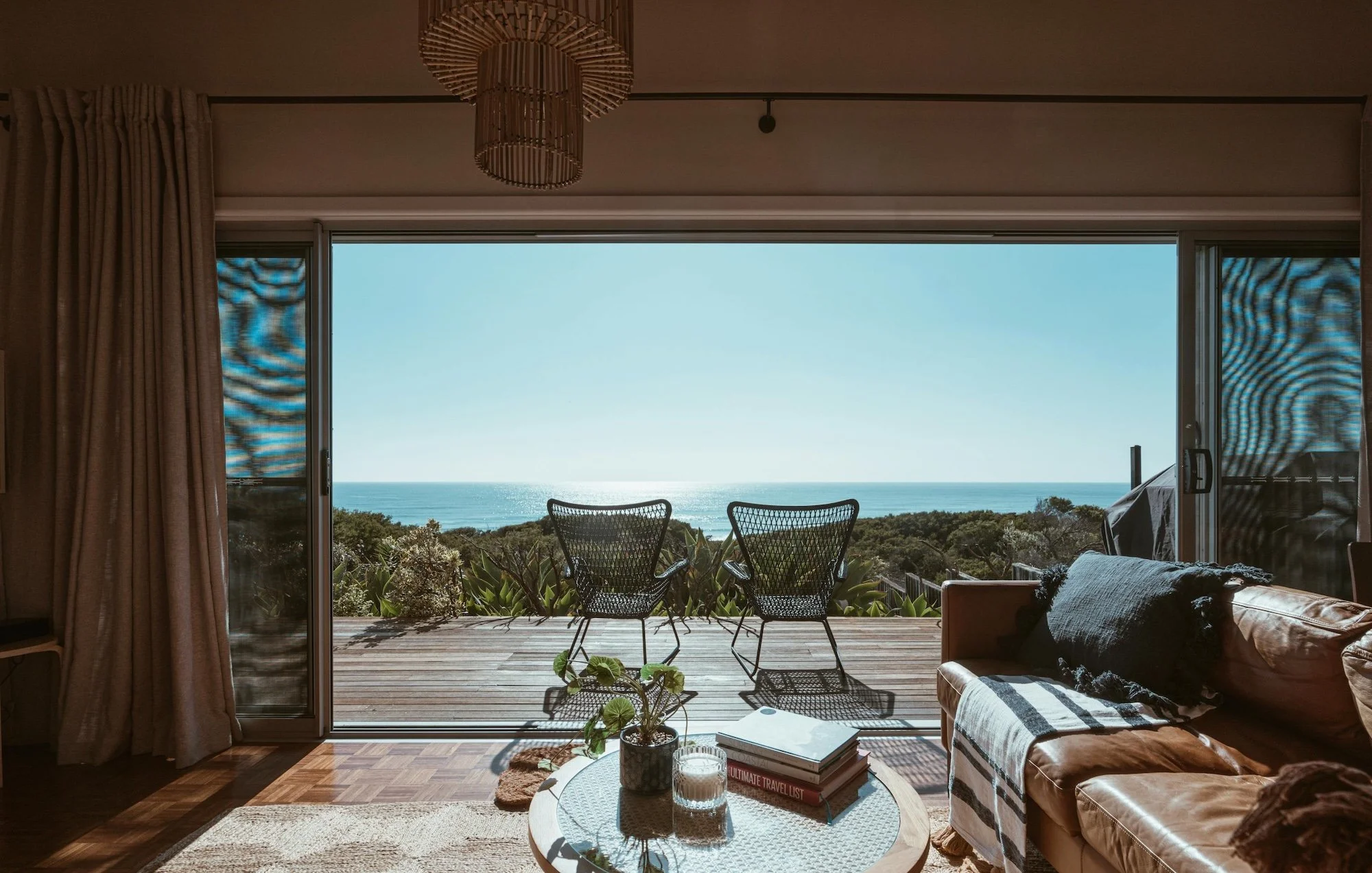
Summer is peak season for short-term rentals—and a golden opportunity for property owners to increase revenue and visibility. With travelers planning vacations months in advance, now is the time to optimize your listing, prepare your property, and stand out from the competition.
Whether you manage one Airbnb or multiple units, proactive preparation and smart marketing can ensure your calendar stays full all season long.
Why Preparing Early Matters for Summer
1. Secure Early Bookings
Many travelers plan summer trips far ahead of time. By updating your listing, setting competitive prices, and marketing early, you can capture early-bird reservations before your competitors do.
2. Maintain Property Quality
Schedule deep cleaning, repairs, and inspections before the season starts. A spotless, well-maintained property prevents mid-season breakdowns and helps earn those all-important 5-star reviews.
3. Stand Out from the Crowd
Guests are looking for comfort, convenience, and memorable experiences. Stock your property with essentials—and extras like beach towels, umbrellas, or bikes—to set yourself apart.
4. Streamline Operations
Coordinate early with cleaning crews, co-hosts, and vendors to avoid last-minute scheduling issues during peak season. Smooth operations lead to happier guests and higher efficiency.
12 Proven Strategies to Increase Airbnb Bookings This Summer
1. Highlight Your Property’s Unique Features
Emphasize what makes your property special—location, private pool, scenic view, or outdoor amenities. These features can make your listing more appealing than others in your area.
2. Invest in High-Quality Summer Photos
Professional or well-lit, high-resolution photos showcasing outdoor spaces, natural light, and summer-ready amenities help attract attention and drive bookings.
3. Use Competitive, Dynamic Pricing
Analyze local market trends and competitor rates. Tools like Pricelabs, Wheelhouse, or Beyond can automatically adjust your rates based on demand, ensuring you remain competitive while maximizing income.
4. Offer Flexible Booking Options
Allow shorter stays, midweek discounts, or long-stay deals. Flexibility helps fill gaps and attracts last-minute travelers.
5. Write Clear, Detailed Descriptions
Be transparent about your property’s amenities, layout, and nearby attractions. Accurate listings reduce misunderstandings and boost guest confidence.
6. Upgrade Ambience and Amenities
Guests want comfort and charm. Add cozy decor, fresh linens, local art, and summer essentials like beach chairs or bikes. Small touches can make a lasting impression.
7. Deliver Exceptional Guest Service
Respond promptly to inquiries, provide detailed check-in instructions, and remain available throughout the stay. Great communication and hospitality lead to positive reviews and repeat bookings.
8. Market Across Multiple Platforms
List your rental on Airbnb, Vrbo, Booking.com, and niche sites. Use social media and SEO techniques to increase visibility and attract travelers searching for unique stays.
9. Offer Local Experiences
Partner with nearby restaurants, tour companies, or event organizers to provide guests with discounts or curated local experiences. This adds value and helps your property stand out.
10. Refresh Outdoor Spaces
Outdoor living is key in summer. Add comfortable seating, fire pits, outdoor dining areas, or string lights to make your property feel like a private resort.
11. Go Green
Highlight eco-friendly features like energy-efficient lighting, recycling options, and reusable supplies. Sustainability appeals to many modern travelers.
12. Make It Family-Friendly
Families make up a large portion of summer travelers. Add cribs, high chairs, and children’s toys, and promote nearby family-friendly attractions.
Preparing Your Property for Summer Guests
Deep Clean and Declutter: Every surface, linen, and appliance should sparkle.
Enhance Curb Appeal: Fresh landscaping, clean patios, and inviting entryways make a strong first impression.
Check Equipment and Systems: Service HVAC units and ensure pools and grills are in working order.
Provide Seasonal Supplies: Include sunscreen, insect repellent, extra towels, and summer games.
Welcome Package: A small summer gift, such as local snacks or event guides, adds a personal touch.
Review Safety Measures: Verify smoke detectors, fire extinguishers, and pool safety features.
Communicate Rules Clearly: Reinforce house rules on noise, pool safety, and amenities to prevent issues.
Common Mistakes to Avoid
Waiting too long to update listings and photos.
Keeping high minimum stays during low-demand weeks.
Ignoring guest communication or delayed responses.
Neglecting outdoor maintenance and amenities.
Using static pricing that doesn’t adapt to demand.
Why Summer Optimization Matters for Investors
Summer is the most profitable period for many short-term rentals. Well-prepared listings earn higher occupancy rates, command premium prices, and generate more positive reviews—boosting your property’s ranking and long-term success. Strategic preparation now can ensure consistent returns well beyond summer.
How Rent Live Play Helps
At Rent Live Play, we specialize in helping short-term rental investors and owners optimize every season for maximum revenue. Our expert co-hosting services include dynamic pricing, listing optimization, and full-service management that keeps your property performing at its best.
From professional photography and guest communications to revenue management and maintenance coordination, Rent Live Play ensures your Airbnb shines this summer—and beyond. Contact our team today to learn how we can help your property stand out and scale your short-term rental portfolio.
Disclaimer: This article is for informational purposes only and does not constitute legal, financial, or investment advice. Always consult with qualified professionals before entering into any real estate transaction.
