
Pet-Friendly vs. No-Pets: How to Choose the Right Policy for Your Vacation Rental
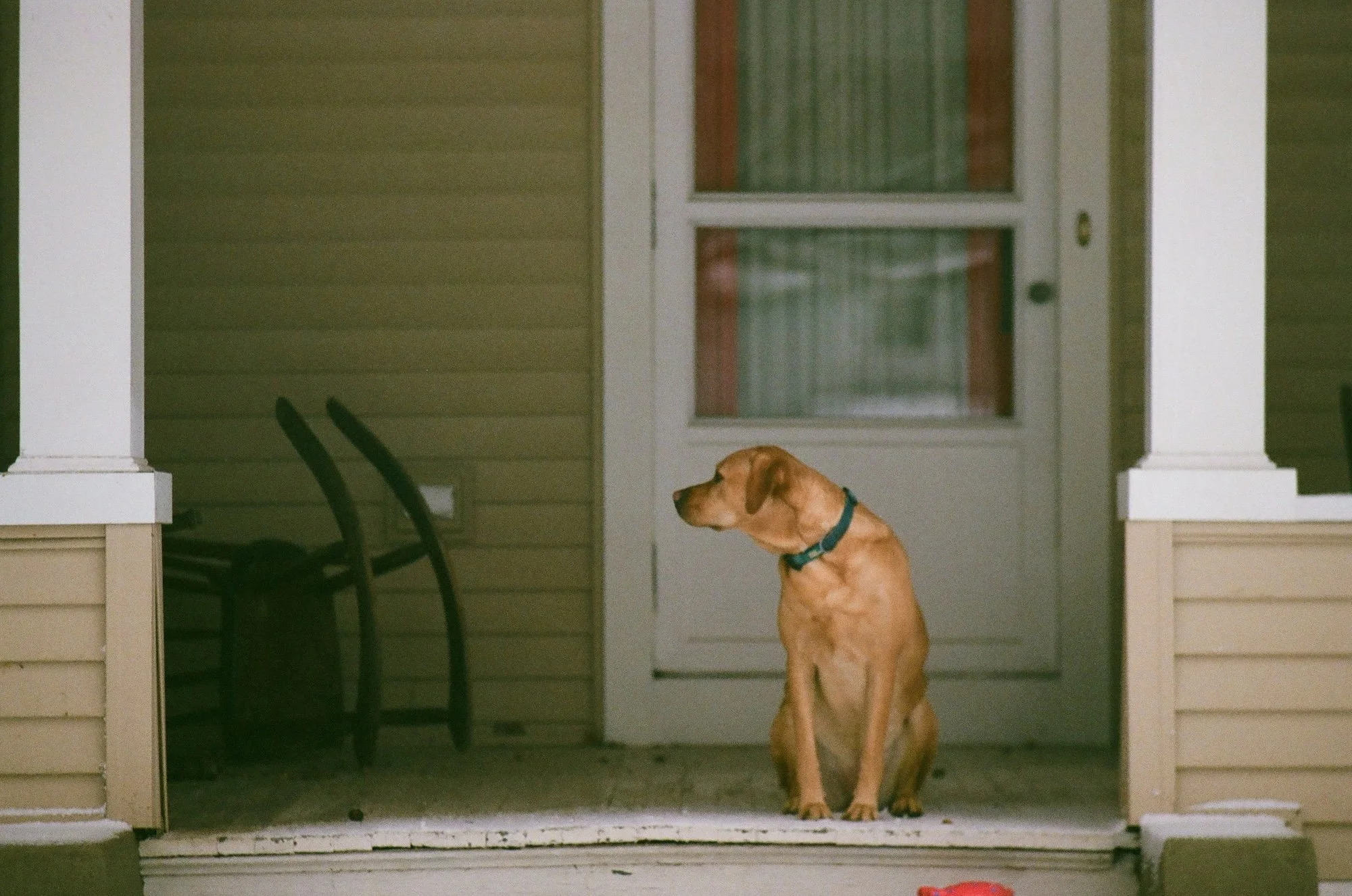
Deciding whether to allow pets in your vacation rental is more than a simple yes or no. It affects your bookings, your maintenance costs, and your property’s reputation. For short-term rental investors, setting the right policy can balance guest satisfaction with long-term profitability.
Understanding Pet-Friendly vs. No-Pets Policies
A pet-friendly rental opens your property to travelers who consider pets part of the family. Meanwhile, a no-pets policy appeals to guests who prefer allergy-friendly environments or worry about property cleanliness. Both approaches have benefits and drawbacks, and the right choice depends on your investment goals, property type, and local market demand.
Key Pros and Cons
Pet-Friendly Vacation Rentals
Broader Market Appeal
Welcoming pets expands your potential guest pool. Many travelers specifically search for “pet-friendly” listings, and Airbnb data shows “pets allowed” is now among the most-searched amenities worldwide.Higher Income Potential
Property owners can charge a pet fee or deposit to offset potential damage and increase overall income. Pet-friendly listings often command higher nightly rates due to limited supply in many markets.Positive Brand Image
A pet-friendly policy portrays your property as welcoming and flexible—qualities that encourage repeat bookings and positive reviews.Potential Drawbacks:
Pets may cause wear and tear or unexpected damage, and cleaning costs can increase.
Future guests with allergies may react even after deep cleaning, which can impact reviews.
Furnishings should be commercial-grade or easy to clean to reduce long-term costs.
No-Pets Vacation Rentals
Reduced Maintenance and Damage
No pets mean fewer scratches, stains, and odors. This can help preserve your property’s condition and lower repair costs.Allergy-Friendly Environment
Pet-free homes attract guests with sensitivities who value a guaranteed allergen-free stay.Simplified Cleaning
Turnovers are faster and cleaning fees can be lower without pet hair or odors to manage.Potential Drawbacks:
You may lose bookings from pet owners who travel with their animals.
You’ll miss out on additional pet fee revenue.
Restricting pets can narrow your listing’s appeal, especially in drive-to or family-heavy destinations.
Why It Matters for Investors
For short-term rental investors, a pet policy directly affects occupancy, maintenance, and long-term ROI.
In pet-friendly markets (like mountain towns or beach destinations), allowing pets can significantly increase booking rates.
In luxury or urban markets, maintaining a no-pets standard may help protect property value and attract premium guests.
Choosing the right approach starts with understanding your ideal guest profile and aligning your policy with local demand trends.
Step-by-Step Process to Decide
Assess Your Property Type – Consider your flooring, furniture, and layout. Durable, easy-to-clean spaces suit pet-friendly stays best.
Research Local Market Demand – Review competitor listings to see how many nearby properties allow pets and what they charge.
Calculate Costs and Fees – Estimate cleaning and damage risks, then set a fair pet fee or deposit if you choose to allow pets.
Set Clear Rules – Outline expectations for pet behavior, cleaning, and damages in your house manual and listing description.
Revisit Periodically – Market conditions change. Reevaluate your policy annually based on guest feedback and performance metrics.
Common Mistakes to Avoid
Failing to Communicate Your Policy Clearly – Guests should know your pet rules before booking to avoid disputes.
Not Charging a Pet Fee – Without one, you’ll absorb cleaning and wear costs.
Using Delicate Furnishings – Avoid light-colored or easily damaged materials in pet-friendly rentals.
Ignoring Guest Allergies – Always disclose your pet policy, even if you only occasionally host animals.
How Rent Live Play Helps
Rent Live Play assists property owners in optimizing their short-term rental strategy—whether you welcome pets or keep your property allergen-free. Our team handles guest screening, cleaning logistics, and maintenance coordination to protect your investment and maximize returns.
Frequently Asked Questions
Question 1:
Can I charge extra for pets in my short-term rental?
Yes. Many hosts add a pet fee or refundable deposit to offset cleaning and potential damage. Always disclose fees upfront in your listing.
Question 2:
What’s the best way to minimize pet damage?
Use durable furniture and flooring, provide pet-friendly cleaning supplies, and clearly outline pet behavior expectations in your house rules.
Conclusion
The decision between a pet-friendly and no-pets policy depends on your property type, target audience, and investment strategy. Whichever path you choose, clear communication and consistent enforcement will help you attract the right guests and protect your rental.
Disclaimer: This article is for informational purposes only and does not constitute legal, financial, or investment advice. Always consult with qualified professionals before entering into any real estate transaction.
